Deposit Return Schemes (DRS) at UK Stadiums in 2026: What to Specify on Your Cup Procurement
Deposit Return Schemes are no longer a fringe sustainability initiative. By 2026, most major UK stadium and arena operators have either rolled out a DRS, are running a pilot ahead of a full season launch, or are responding to a sponsor or regulator request to scope one. The mechanics are straightforward. The procurement implications are not.
Stadium Cup manufactures the heavy duty plastic cups that sit at the centre of any working DRS. We make every unit in the United Kingdom, work directly with operations teams at stadiums and arenas, and have learned a lot about what does and does not work when a 60,000 capacity venue tries to incentivise cup return at scale. Here is what to specify, what to avoid, and how to plan a rollout that does not slow service.
Why DRS Lives or Dies on Cup Specification
A DRS only works if the cup is durable enough to survive the loop. The fan pays a deposit, drinks the beer, returns the cup at a return point, gets the deposit back. That cup then needs to be washed, stored, and re-issued at the next service period. If the cup splits at the rim, fades after one wash, or fails a dishwasher cycle, the deposit becomes a refund liability and the scheme costs more than it saves.
This is where heavy duty UK manufactured plastic cups earn their place on the spec. Our cups are built from food-grade polypropylene with a reinforced rim and base, designed for hundreds of commercial dishwasher cycles. We control the polymer grade and the wall thickness ourselves, which is why our cups survive the full DRS loop rather than dropping out of circulation after a handful of uses.
What to Put on the Procurement Spec
1. Service Life Guarantee
Specify a minimum cycle count, typically 100 to 200 commercial dishwasher cycles, with documentation. UK manufactured cups built from heavy gauge PP routinely exceed this, while imported thin-wall product often fails within a season.
2. Recognisable Branding
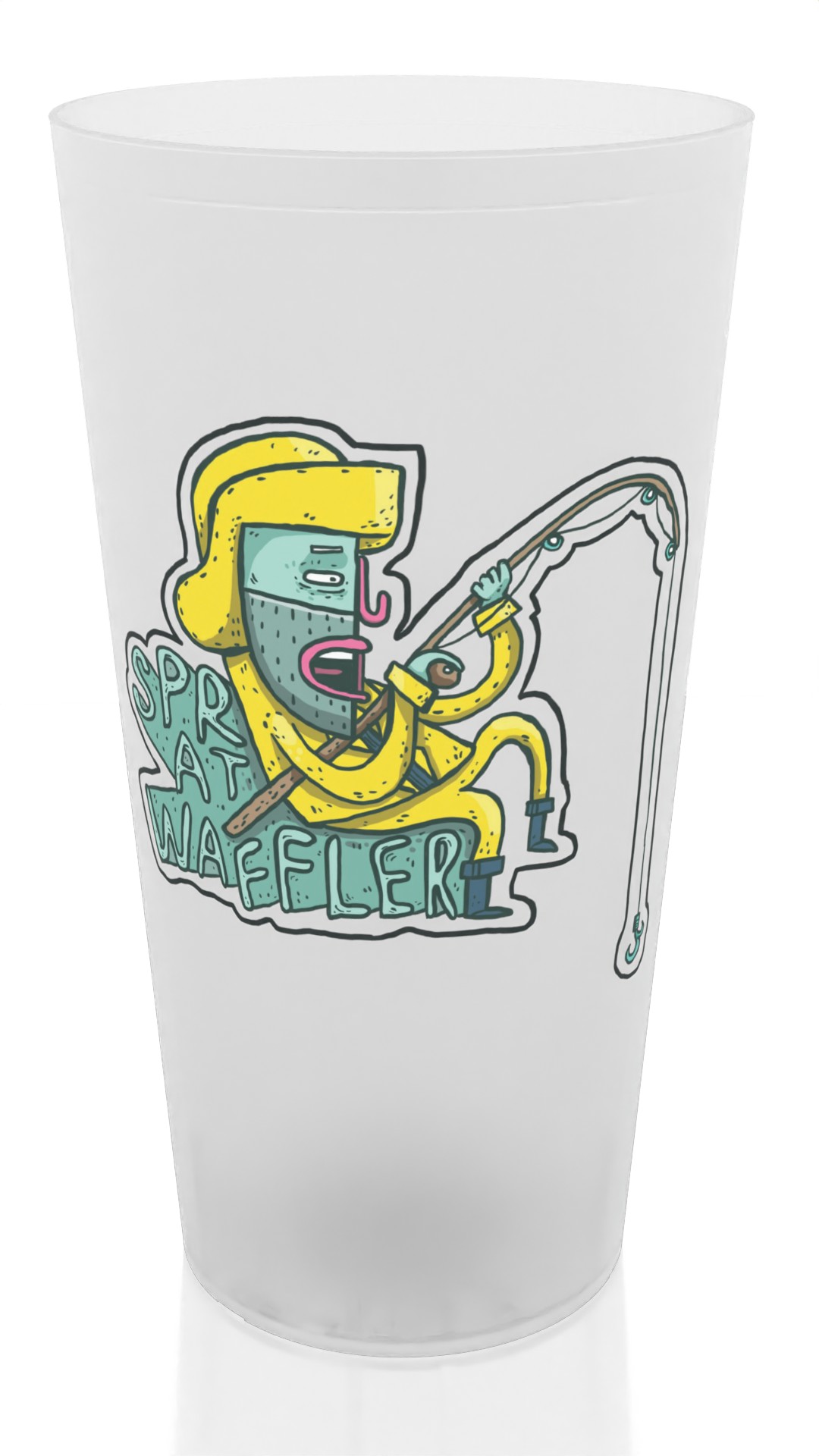
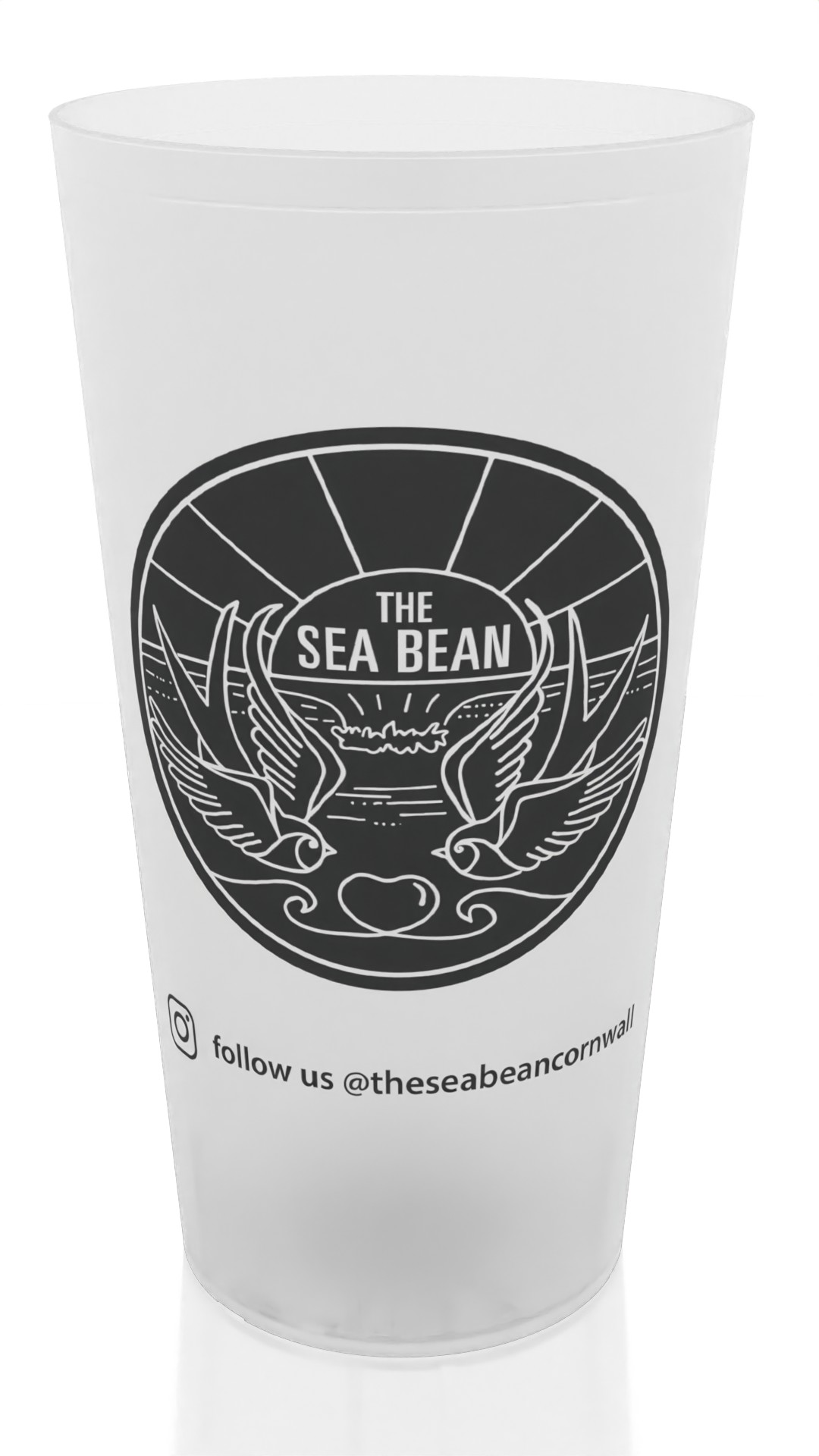
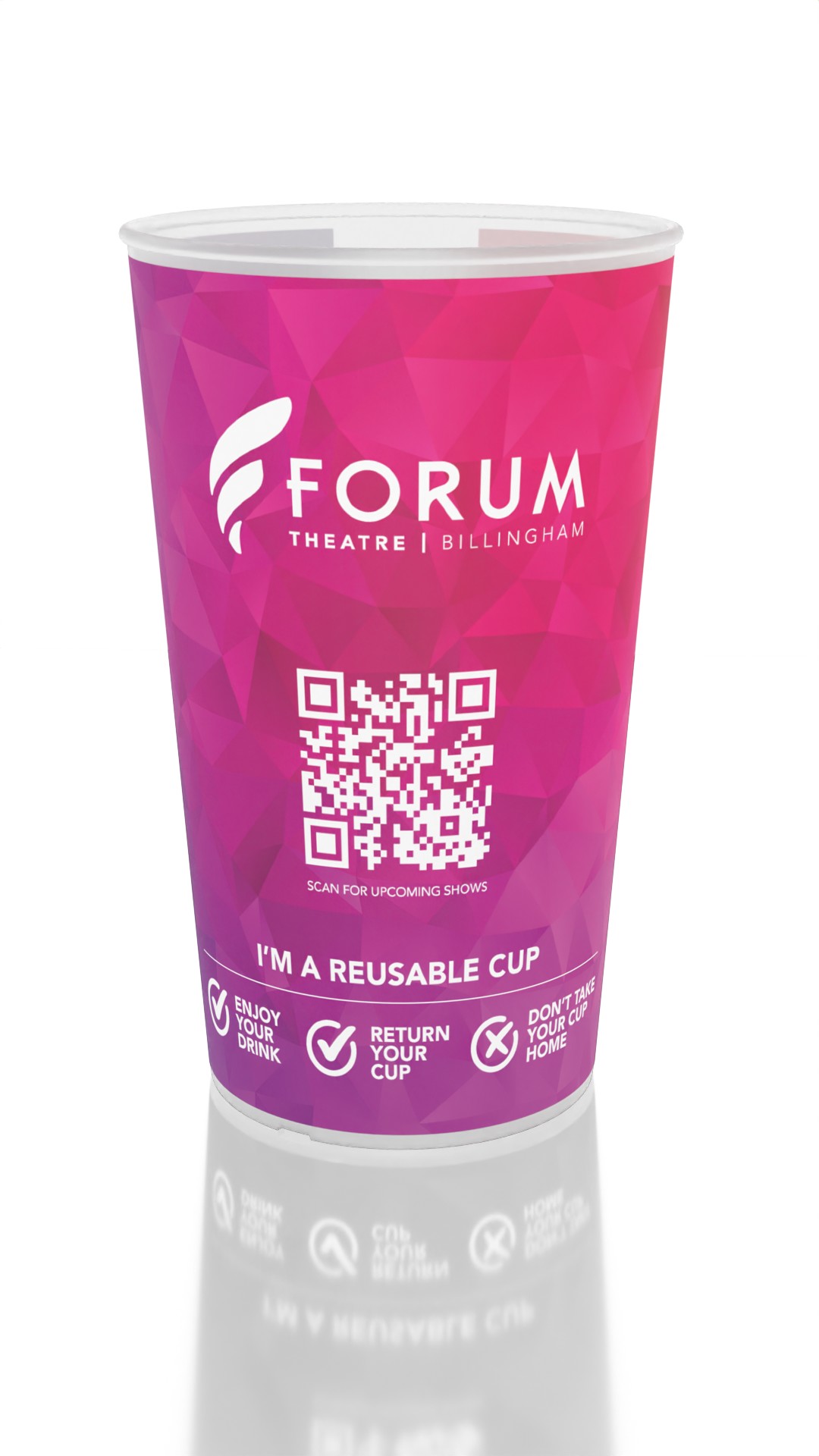
The cup should be visually distinct enough that fans recognise it as a returnable, not a single-use. Most stadiums achieve this with full wrap In Mould Labelling (IML) showing the venue brand, sponsor, and a clear DRS callout. Read our printing and decoration page for technical detail on what survives the wash.
3. QR or Tag Integration
For larger venues, cup-level QR coding integrates with return point hardware to track individual return rates, sponsor impressions, and fan engagement. We can supply heavy duty plastic cups with QR-coded artwork as part of the IML decoration. See our QR codes for cups page for how this works in practice.
4. UKCA and CE Compliance
Pint and half pint cups in a DRS still need to meet trading standards on the fill line. All our draught-relevant cups are UKCA and CE marked with internal fill lines as standard. See our CE and UKCA marking guide for the underlying compliance detail.
5. Replacement Stock Lead Time
Even the best DRS loses cups. Fans take them home, cups break, and theme nights need short-run replacements. Specify both a standard order lead time (we ship in 10 working days from artwork approval) and an emergency replacement clause. Full lead time options are on our lead times and pricing page.
The Common DRS Implementation Mistakes
- Underestimating the wash cycle. Imported cups rated for domestic dishwashers often fail in commercial systems running hot detergent. Specify the actual cellar wash spec.
- Choosing a cup geometry that does not stack. DRS return points need fast cup throughput. A poorly stacking cup creates queues at the return point, which fans hate, which kills participation.
- Forgetting sponsor changeover. Sponsors change. Build a clause into procurement for short-run replacement orders so you do not get locked into outdated branding when the season starts.
- Ignoring carbon documentation. ESG reporting now expects cycle-life carbon analysis. Make sure your supplier can document polymer source, manufacturing emissions, and recyclability at end of service.
Stadium Cup is Built for the DRS Loop
Every heavy duty plastic cup we manufacture is designed for repeated reuse, dishwasher safe at venue temperatures, BPA-free, and made from recyclable polypropylene at end of service life. We work directly with stadium operations teams to spec, decorate, and ship cups that survive the full DRS cycle. Browse the full product range or get a free sample by contacting us via our contact page.
Sustainability Documentation
For ESG and sustainability leads building scope 3 reports, we supply manufacturing documentation including UK production location, polymer source, and end of life recyclability. Browse our sustainability hub for the underlying detail.